 how-to
Custom Event Lighting for Galas: A Complete Planning Guide
Table of Contents
- Why Custom Event Lighting for Galas Changes the Room
- Corporate Gala Lighting Ideas That Set the Tone
- Event Lighting Design Tips From 30 Years of Installations
- Ballroom Lighting Design: Zone-by-Zone Planning
- Custom Event Lighting Packages: What to Ask For
- What Drives Gala Lighting Costs
- Conclusion
- Frequently Asked Questions
Last Updated: October 18, 2026
Why Custom Event Lighting for Galas Changes the Room
Custom event lighting for galas is the deliberate design of light, color, and shadow to shape how guests feel and move through a fundraising evening. It goes far beyond brightness. The right scheme turns a plain hotel ballroom into a space with depth, focus, and mood before the first guest arrives.
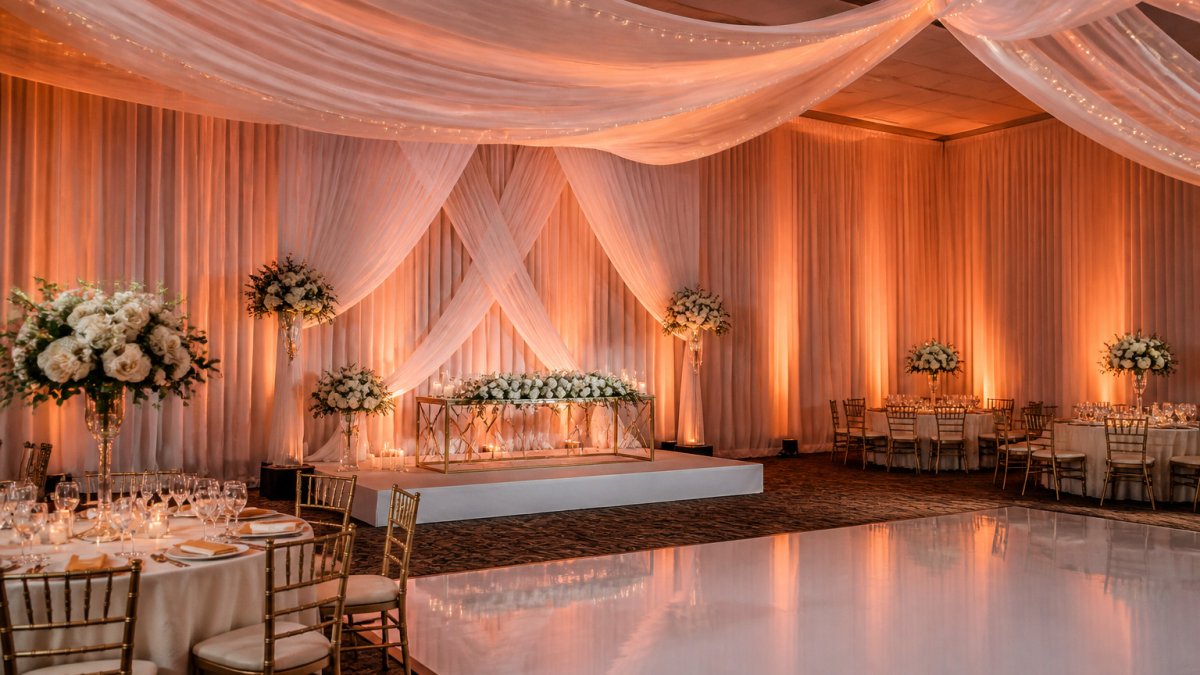
At XL Entertainment Systems, we have watched this play out at galas across Southern California since 1992. A room with flat overhead light reads as a conference hall. The same room with warm uplighting on the walls, a focused stage wash, and dimmed ambient fixtures reads as an occasion. Guests notice the difference within seconds, even if they never name it.
That is the case for treating lighting as design rather than logistics. The furniture and florals set the scene. Light decides whether anyone remembers it.
Corporate Gala Lighting Ideas That Set the Tone
Corporate gala lighting ideas work best when they serve the evening's emotional arc: arrival, dinner, program, dancing. Different moments want different light.
- Amber uplighting for a warm, welcoming reception hour that flatters skin tones and photographs beautifully
- Monogram or logo projection on a feature wall to reinforce the organization's identity without a printed sign
- Pin spots on centerpieces so tables glow while the room stays low
- Stage lighting with a clean front wash and controlled backlight for speakers and award moments
- Dance floor color that shifts as the band or DJ takes over
The mistake we see most often is choosing one look and leaving it all night. A gala is not a single moment. Light should follow the schedule.
Event Lighting Design Tips From 30 Years of Installations
Most gala lighting advice stops at "warm uplighting looks elegant." What actually separates a polished install from a patchy one is a planning process that starts weeks before load-in. Here is the workflow our team has refined across decades of installations, plus the technical and safety checks that idea roundups rarely mention.
Step 1: Build the lighting brief around the run of show. Before choosing a single fixture, map the evening in phases: arrival, reception hour, dinner, program and speeches, auction or paddle raise, dancing, and departure. For each phase, note what guests should be doing and where they should be looking.
Step 2: Walk the venue at the event's hour. Visit at the same time of day as your event. Afternoon daylight through ballroom windows can wash out uplighting and projection, and no amount of programming fixes it after the fact. Note window orientation, existing house lighting, and any fixtures the venue controls.
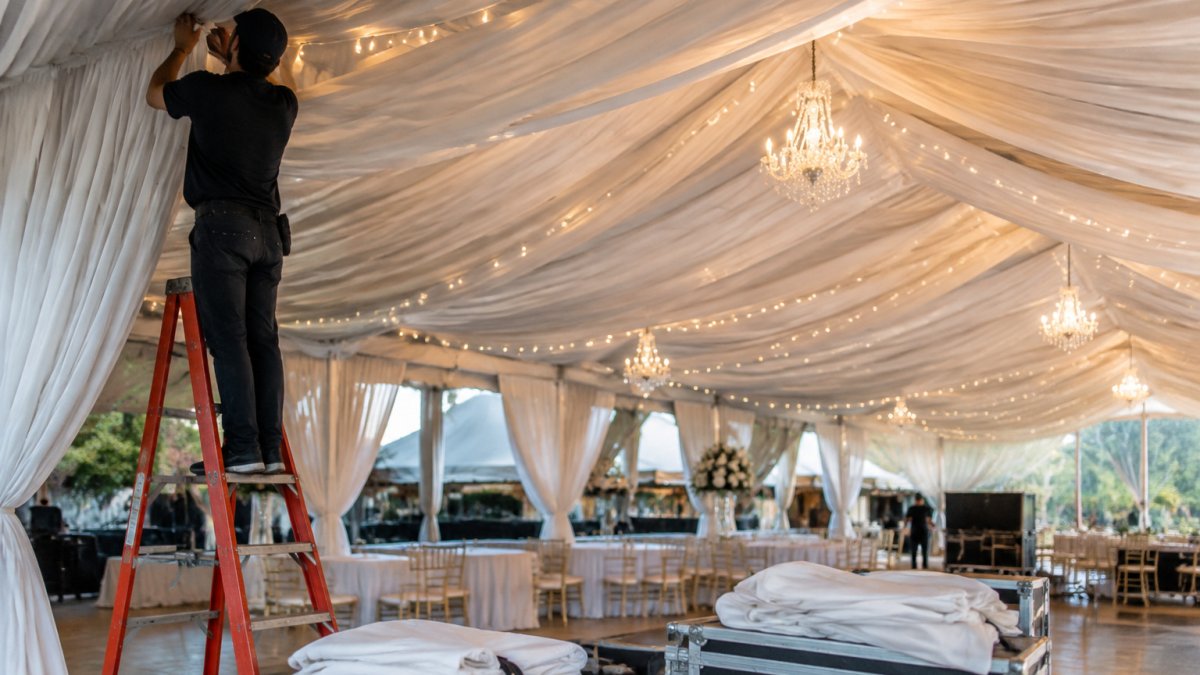
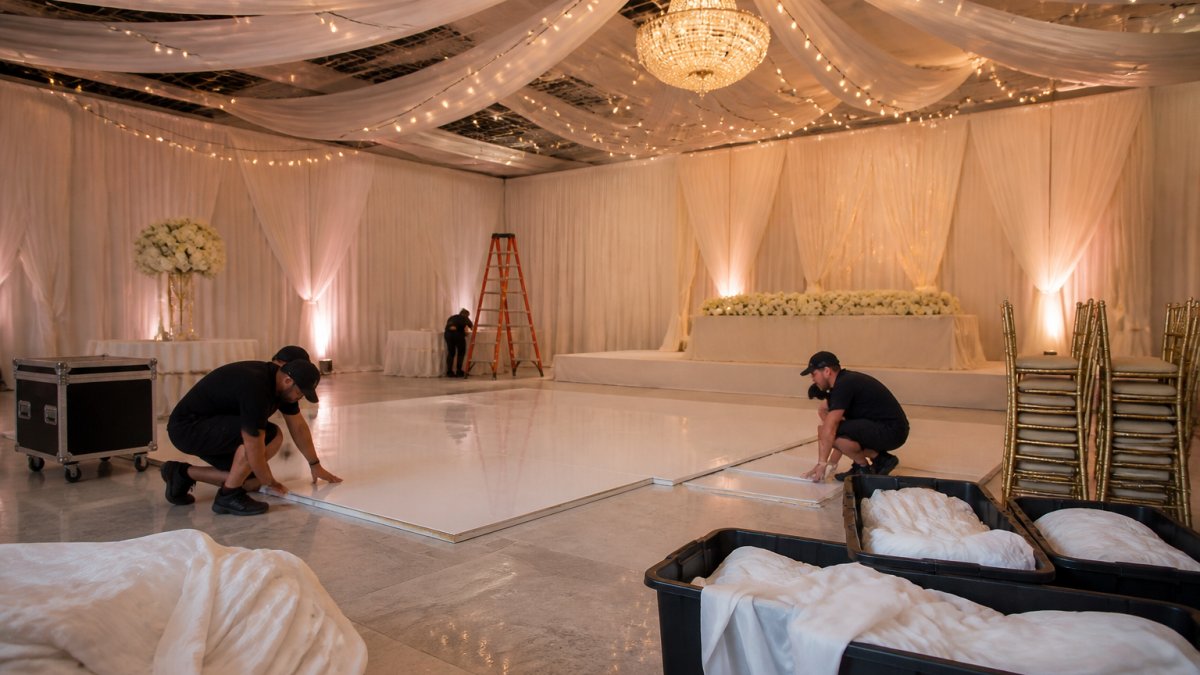
Step 3: Survey the technical constraints. Confirm ceiling height and what the venue permits you to attach to. Many ballrooms allow truss or ground-supported rigging but prohibit hanging from ceiling grid or fire sprinkler lines. Ask about power: how many circuits are available, where the outlets sit, and whether the venue requires a licensed electrician for tie-ins. Confirm load-in and load-out windows, freight elevator access, and whether the venue requires a certificate of insurance from your lighting provider.
Step 4: Design by zone, then layer. Treat the room as separate zones (entry, dining, stage, auction area, bar, dance floor) and give each a job. Layer ambient, accent, and decorative light so the eye has somewhere to rest. Hitting every surface with color flattens the room.
Step 5: Program cues to the schedule, then rehearse. Build lighting cues around the run of show rather than the clock, and rehearse the transitions with the venue's AV contact. A visible shift in the room tells guests to sit down without an announcement.
Step 6: Plan for safety and guest comfort. Aim fixtures so they do not throw glare into guests' eyes during dinner or speeches. Tape and cable-manage every run to eliminate trip hazards along aisles and accessible routes. Confirm that emergency and egress lighting remains functional and is never dimmed or colored over. Keep dining light high enough for older guests to read programs and pledge cards.
Finally, build in flexibility. A package that can shift from reception-warm to dance-floor-dynamic gives planners room to adapt when the schedule slips, which it usually does.
Illuminating Engineering Society lighting standards offers useful guidance on recommended light levels for different room functions, and it is worth a look when you are planning a long program with speeches.
Ballroom Lighting Design: Zone-by-Zone Planning
Ballroom lighting design is easier to plan when you stop thinking about the room as one space and start thinking about zones. Each zone has a job, and each job wants its own treatment.
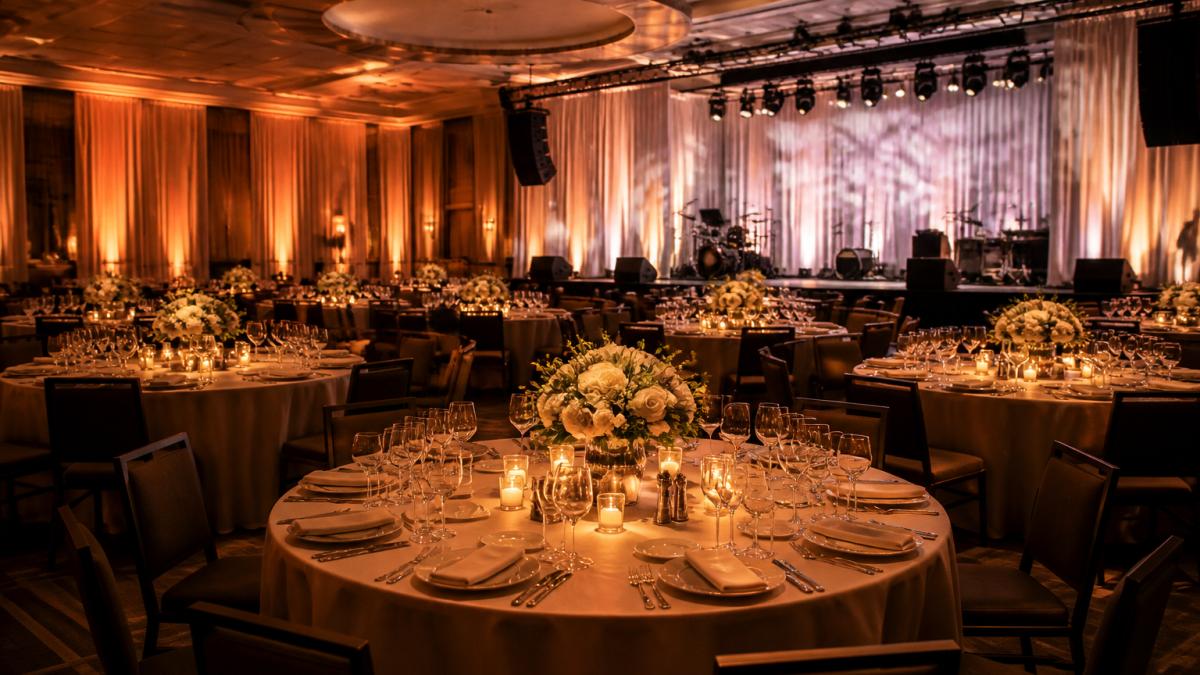
Arrival and entry: brighter, warmer light that helps guests find check-in and their seats. Think amber wall wash and clear paths.
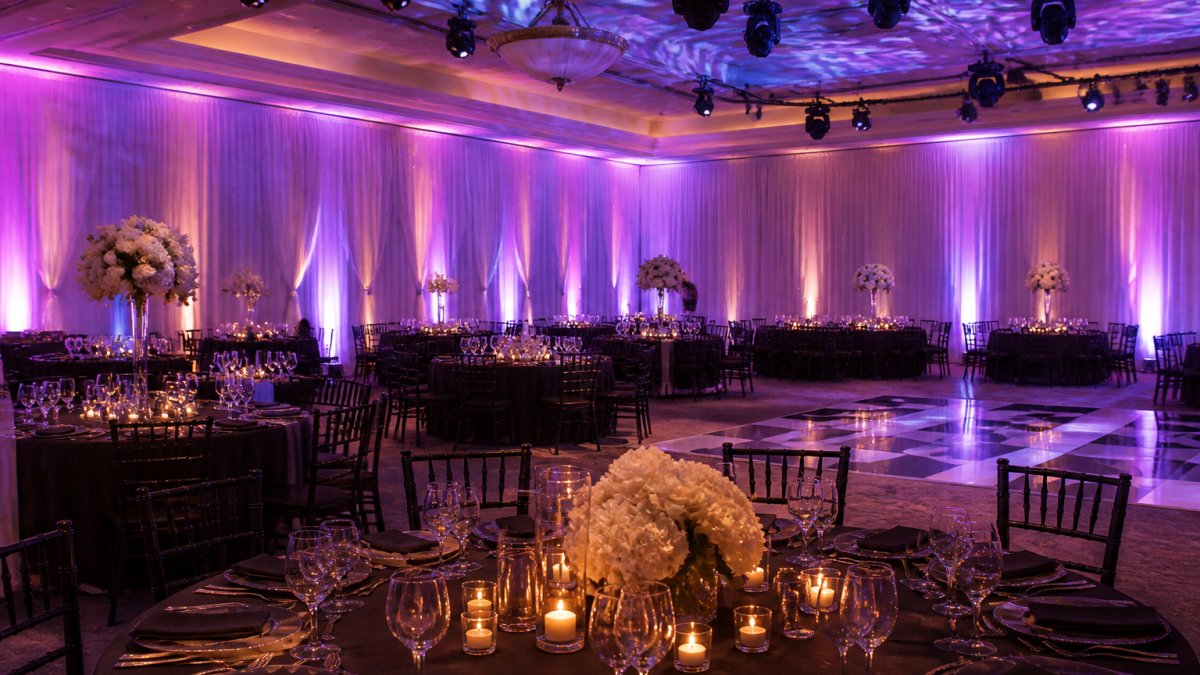
Dining floor: low ambient light with pin spots on centerpieces so conversation stays easy and tables still glow.
Stage and program area: a controlled front wash for faces, backlight for separation, and a clean backdrop so speakers and honorees read clearly.
Dance floor: the brightest and most dynamic zone once the program ends. Moving lights, color changes, and a lit floor keep energy up.
Bar and lounge: softer decorative light that signals a place to linger.
Here is a simple planning table we use to keep zones straight:
| Zone | Primary Goal | Lighting Approach |
|---|---|---|
| Entry | Welcome and wayfinding | Amber wall wash, clear paths |
| Dining floor | Conversation and intimacy | Low ambient, pin spots on centerpieces |
| Stage | Speaker visibility | Front wash, backlight, clean backdrop |
| Dance floor | Energy and movement | Moving lights, color changes |
| Bar and lounge | Relaxed lingering | Soft decorative fixtures |
Custom Event Lighting Packages: What to Ask For
A custom gala lighting package should be scoped from the room outward, not pulled off a shelf. The most useful questions are the ones that reveal how the package was built and what it will actually do on event night.
Ask how the package was scoped. A credible provider will walk you through fixture count by zone, not just a lump list. Ask how many uplights wash the walls, how many pin spots cover centerpieces, and what covers the stage and dance floor. Ask whether the design accounts for your ceiling height and rigging permissions.
Ask what is included beyond fixtures. Confirm labor for installation and teardown, cable and power distribution, programming and cue setup, and an on-site technician during the event. A quote that lists fixtures but not labor, programming, or teardown is not a complete quote.
Ask how the lighting is controlled. Find out whether cues can be programmed to your run of show and who operates them. Ask what happens if a fixture fails mid-event and whether spares are on site.
Ask how lighting supports the fundraising program. This is where gala lighting differs from party lighting. Sponsor logos and step-and-repeat backdrops need even, flattering front light for photos. Auction items and bid sheets need focused light that does not spill into guests' eyes. The paddle raise and donation moment need a clean, bright stage and clear sightlines from the back of the room. Ask your provider to design for these moments specifically.
Understand the cost drivers before you compare. Gala lighting costs depend on scope, not a single flat rate. The main drivers are room size and ceiling height (larger and taller rooms need more fixtures and more labor), the number of zones and programmed cues, fixture types (uplighting, moving lights, projection, and specialty effects carry different costs), installation complexity (rigging, power access, and venue rules affect setup time), and duration and teardown (late-night events and same-night teardown add labor). We do not publish flat prices because every gala is different; instead we build a personalized quote around your venue, date, and scope.
At XL Entertainment Systems, we design custom lighting around each gala and handle professional installation, so you are not coordinating a separate crew on the day. We pair lighting with draping, dance floors, and chair rentals when the room needs a fuller transformation.
Event Safety Alliance guidance on event production is a helpful reference for planners who want to understand the safety and power considerations behind professional installation.
What Drives Gala Lighting Costs
Gala lighting costs depend on scope, not a single flat rate. Several factors move the number up or down, and understanding them helps you plan a realistic budget conversation.
- Room size and ceiling height: larger and taller rooms need more fixtures and more labor
- Number of zones and cues: a simple wash costs less than layered zones with programmed changes
- Fixture types: uplighting, moving lights, projection, and specialty effects carry different costs
- Installation complexity: rigging, power access, and venue rules all affect setup time
- Duration and teardown: late-night events and same-night teardown add labor
We do not publish flat prices because every gala is different, and a number pulled from a page would mislead you. Instead, we build a personalized quote around your venue, date, and scope. Share those details and we will give you a clear, itemized answer.
Event Safety Alliance guidance on event production is a helpful reference for planners who want to understand the safety and power considerations behind professional installation.
Conclusion
Planning a gala means juggling a hundred details, and lighting is the one that quietly decides whether the room feels like an occasion or a meeting. Get it right and everything else looks better. Get it wrong and even beautiful florals fade into flat light.
If you are planning a gala or corporate event, we would be glad to help. XL Entertainment Systems brings custom lighting design, professional installation, and a full range of draping, dance floors, and chair rentals to events across Southern California. Tell us your event date, venue, location, and the services you need, and we will put together a free, personalized quote.
Frequently Asked Questions
What lighting is best for a gala?
The best gala lighting combines warm uplighting on the walls, focused stage lighting for speeches and entertainment, and soft ambient light over dining tables. LED fixtures give you color flexibility and dimming control, while moving lights and pattern projection add visual interest. A layered approach keeps the room elegant without glare, and it lets you shift the mood from cocktail hour to dinner to dancing. Ask for a walkthrough of fixtures and a lighting plot before you book.
How do you plan lighting for a corporate gala?
Start with the run of show, then map lighting to each zone: entry, cocktail area, dining floor, stage, and dance floor. Choose a color palette that matches your brand or cause, confirm power and rigging access with the venue, and schedule installation with enough time for testing. A professional gala lighting plan also covers dimming cues for speeches, awards, and fundraising moments. Share your event date, venue, and goals to get a custom plan and quote.
What colors work best for gala event lighting?
Amber and warm white flatter skin tones and food, so they work well for dining and candid photos. Deep blue, purple, and teal read as formal and dramatic for stage backdrops and wall washes. Brand colors can be matched for corporate galas, and a two-tone scheme (warm walls, cool stage) adds depth. Avoid saturated green or red washes over the whole room, which can look harsh in photos. Test your palette in the actual venue before the event.
When should gala lighting be installed and tested?
Most ballrooms need a same-day installation window of several hours, with testing before guests arrive. Confirm load-in time with the venue, then allow time to focus fixtures, set dimming cues, and walk the room. For large galas with stage programming, a rehearsal with the AV team is worth scheduling. Build a buffer for unexpected delays, and keep a contact on site who can approve changes. Early planning prevents rushed setups and last-minute surprises.
A well-lit gala does not happen by accident, and coordinating lighting, draping, and rentals across multiple vendors rarely goes smoothly. XL Entertainment Systems handles custom lighting design, professional installation, elegant draping, seamless dance floors, and chair rentals as one team, backed by more than 30 years of family-owned experience. Share your event date, venue, and location with us, and we will build a free, personalized quote around your vision and your budget.