 blog
Event Planning Vendors: What to Know Before Hiring
Table of Contents
- What Event Planning Vendors Actually Do
- Questions to Ask an Event Planner Before You Commit
- Event Planning Proposal Checklist: What to Review
- Corporate Event Planning Examples and What They Reveal
- Event Planning Best Practices for Choosing Your Vendor
- How to Evaluate Vendors on Reliability and Fit
- Frequently Asked Questions
Last Updated: October 21, 2026
What Event Planning Vendors Actually Do
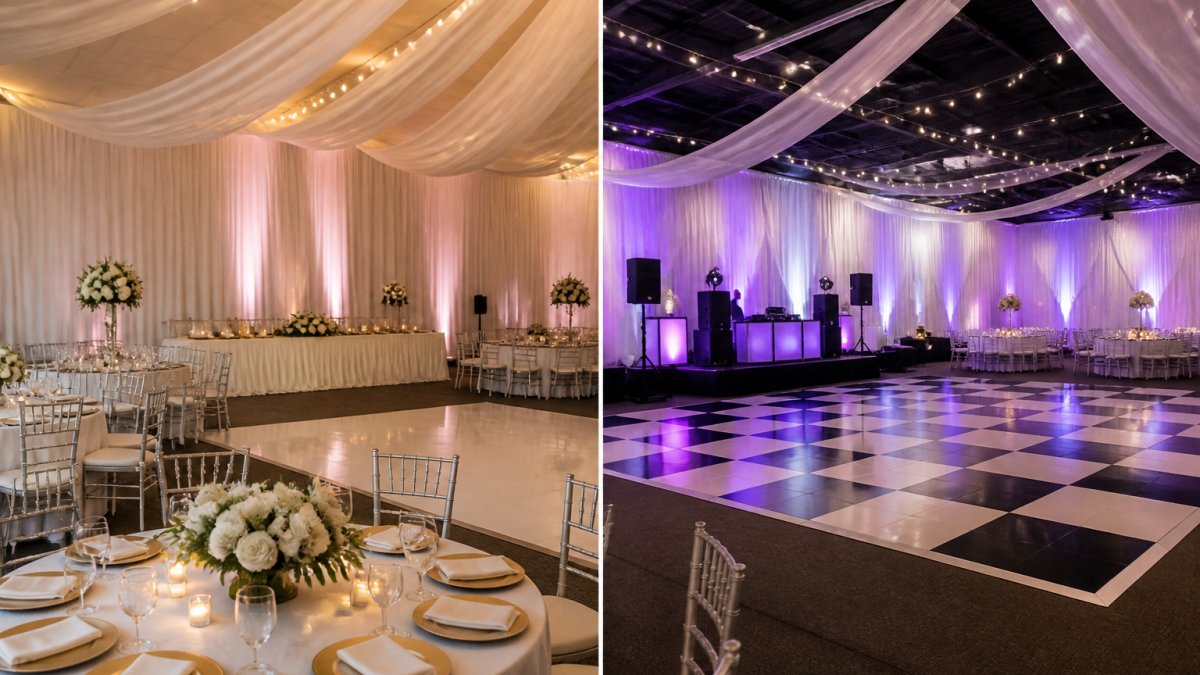
Event planning vendors are specialized service providers who manage the creative, logistical, and technical aspects of your celebration. They transform your vision into reality by handling everything from initial concept through final execution. At XL Entertainment Systems, we work with couples and corporate clients to understand what matters most, whether that's creating an elegant ambiance with custom draping and lighting.
The scope of work varies significantly depending on which vendor you choose. Some event planning vendors focus narrowly on one service category, like lighting design or decor rentals. Understanding what each vendor actually delivers, and what they don't, is the first step toward making the right hire.
Questions to Ask an Event Planner Before You Commit
Asking the right questions separates vendors who will deliver from those who overpromise. Before signing any agreement, dig into these critical areas.
Experience and Portfolio
Ask to see completed events similar in scale, style, and venue type to yours. A vendor who excels at intimate garden ceremonies may struggle with large ballroom galas. Request references from clients with comparable event sizes and budgets, then actually call those references. Ask what surprised them, both positively and negatively, about working with the vendor.
Inquire about the vendor's experience with your specific venue. Familiarity with your location matters. A vendor who knows the venue's lighting infrastructure, load-in procedures, and architectural quirks can solve problems faster and avoid costly mistakes. Ask directly: "Have you worked here before? What do you know about this space that most vendors miss?"
Timeline, Availability, and Communication
Confirm availability for your event date and all required planning meetings. Ask how the vendor structures the design and approval process. How many revision rounds are included? When do you see mockups or renderings? What's the timeline for final decisions?
Establish communication expectations upfront. How often will you connect? Who is your primary contact? What's the response time for questions and concerns? A vendor who goes silent for weeks during planning creates unnecessary stress. Reliable event planning vendors maintain consistent contact and proactively flag potential issues.
Services, Budget Flexibility, and Problem-Solving
Clearly define what's included and what costs extra. Does the vendor handle installation and breakdown, or just design and rental coordination? Ask about their approach to budget constraints. A good vendor works creatively within your limits rather than pressuring you toward unnecessary upgrades.
Discuss how the vendor handles unexpected problems. Every event encounters surprises, weather delays, last-minute guest count changes, equipment issues. Ask for specific examples of how they've solved problems on-site. Their answer reveals whether they think creatively or simply follow a script.
Event Planning Proposal Checklist: What to Review
A proposal is the clearest window into how a vendor thinks. Two proposals for the same event can look similar at the summary level and diverge sharply in the details that determine whether your event runs smoothly. Use the checklist below to read proposals line by line.
Scope of Services
- Lists every deliverable: design, rental items, installation, breakdown, and removal
- Names specific rental items and design elements rather than describing them in general terms (for example, "seamless white dance floor, 24-foot by 24-foot" rather than "dance floor")
- States clearly what is not included, so you are not surprised by change orders later
- Distinguishes design work from execution work.
Timeline and Milestones
- Design consultation date and the date by which you must approve concepts
- Deadline for final rental counts and any custom fabrication (backdrops, stage wraps, dance floor decals)
- Load-in and installation window, including any venue-imposed restrictions on setup hours
- Event-day contact protocol.
- Breakdown and removal schedule, including who is responsible for trash and packing
Budget and Pricing
- Itemized breakdown by category (draping, lighting, dance floor, chairs, stage, labor) rather than a single lump sum
- Payment schedule and due dates
- Cancellation and refund policy, including what happens if the event date changes
- Policy on additional charges, overtime, and change orders
- Whether travel, delivery, setup labor, and equipment pickup are included or billed separately
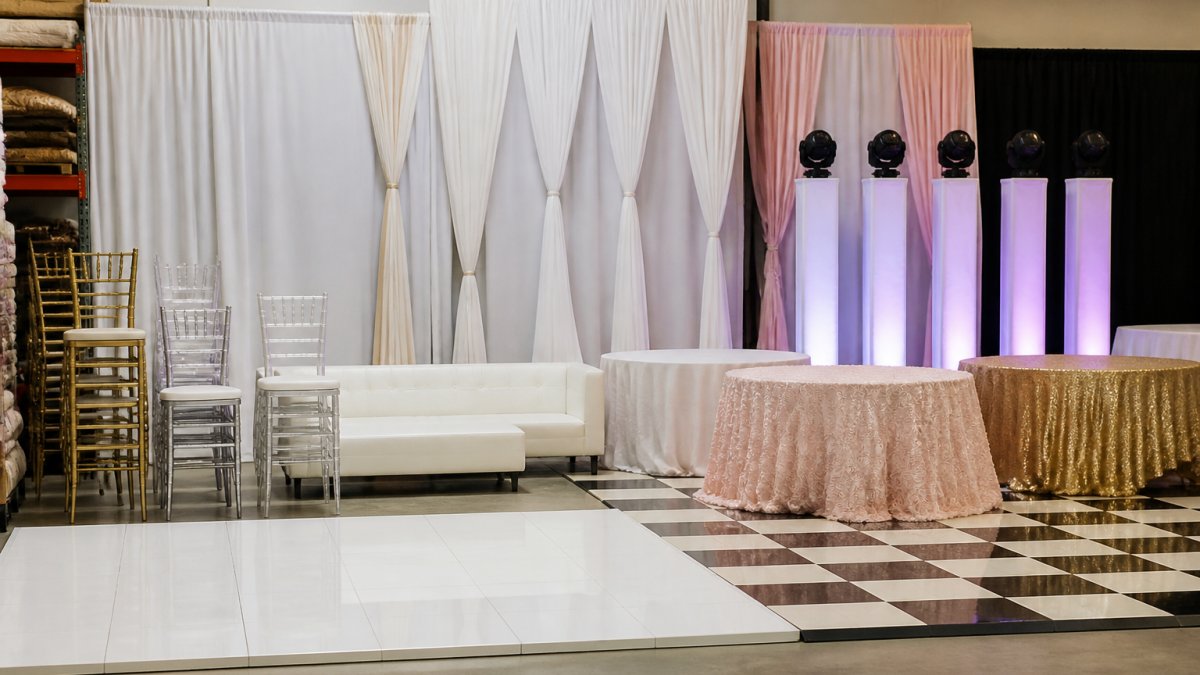
Most rental and production vendors quote by line item because each element (draping, uplighting, dance floor, chairs) has its own labor and equipment cost. Ask for the itemized version.
Communication and Coordination
- Primary point of contact and a backup contact
- Meeting schedule and format (in-person, virtual, or hybrid)
- How changes and approvals are documented in writing
- Contingency planning approach for weather, guest-count changes, and equipment issues
Vendor Relationships
- Which vendors the provider coordinates with directly.
- Who manages on-site problem-solving related to their services.
- Whether the provider has worked with your venue before and what that relationship includes
Insurance and Liability
- Whether the vendor carries general liability insurance and can provide a certificate of insurance naming your venue
- Who is responsible for damage or loss during setup and teardown
- Whether the vendor carries workers' compensation coverage for installation crews
What the Proposal Cannot Tell You
No proposal will disclose a competitor's internal pricing model, minimum spend, or discount structure, and neither will a public website. If you need to compare two providers on cost, the only reliable path is to request a written quote from each using identical event details: date, venue, guest count, and a specific list of requested services. That way the comparison is apples to apples rather than marketing copy to marketing copy.
Corporate Event Planning Examples and What They Reveal
Corporate galas, product launches, and award dinners demand different capabilities than weddings. When a vendor presents corporate work, look past the polish and ask what the example actually demonstrates.
What a Strong Example Shows
A useful case example answers four questions: what was the brief, what did the vendor actually deliver, how was it installed and run, and what was the outcome. If a vendor cannot answer all four, the example is decoration, not evidence.
- The brief. What was the client trying to achieve? A product launch that needed a branded stage backdrop and dramatic lighting reads differently from an awards dinner that needed elegant ballroom draping and a seamless dance floor for the after-party.
- The delivery. Which elements were rented, which were custom-built, and which were coordinated with other vendors? A vendor who can walk you through the specific draping, lighting, staging, and flooring choices shows operational depth.
- The installation. Corporate events often run on venue-imposed load-in windows, sometimes overnight or in a few hours between sessions. Ask how the crew handled the schedule and whether the installation was completed without disrupting other vendors.
- The outcome. Did the client renew? Did attendance or engagement improve? Did the vendor document results? Vendors who think strategically discuss brand lift and audience response, not just attendance numbers.
A Representative Example, Described Honestly
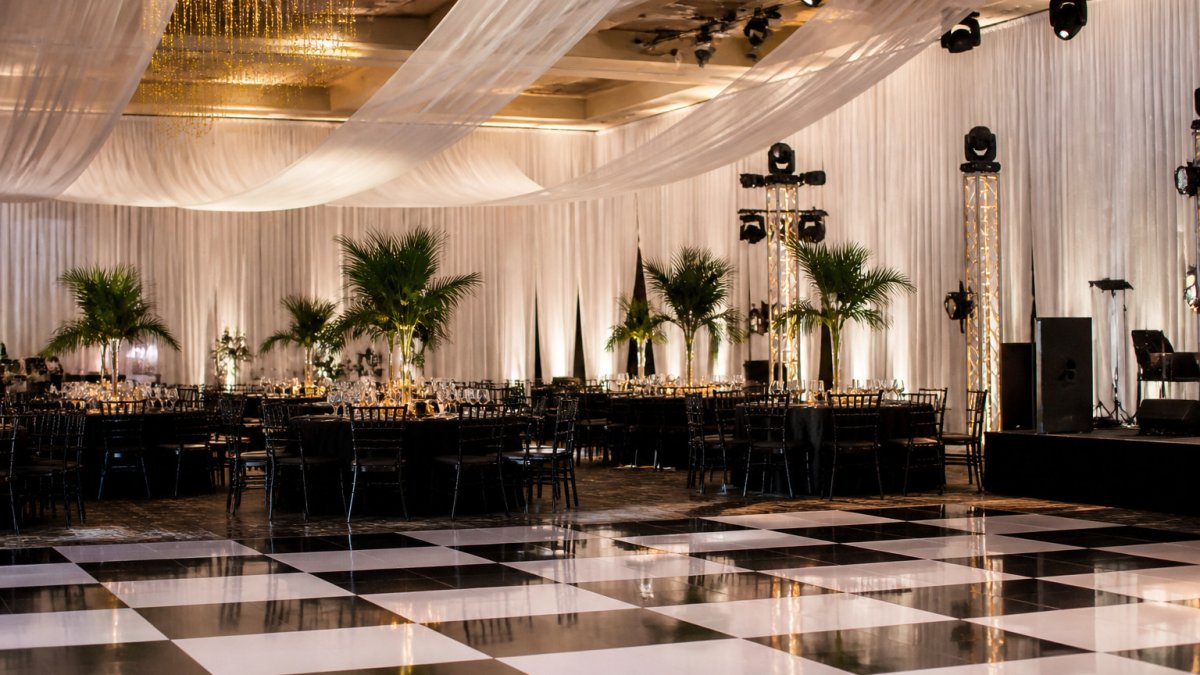
A common pattern for a corporate gala in a hotel ballroom involves ceiling draping to soften the room, amber uplighting to warm the walls, a branded stage backdrop, a seamless white dance floor for the after-party, and a mix of Chiavari and Ghost chairs for the dinner seating.
What Corporate Examples Reveal About Fit
Corporate work rewards vendors with structured project management, dedicated account contacts, and experience with venue rules and insurance certificates. A vendor whose portfolio is entirely weddings may produce beautiful work but lack the operational discipline corporate clients expect. A vendor whose portfolio is entirely corporate may lack the design sensibility and rental inventory depth that a wedding or gala needs.
What Public Sources Cannot Tell You
Public websites and profiles rarely disclose comparable fees, minimum budgets, or measurable outcomes, and third-party reviews vary in volume and recency. Treat any corporate example as a starting point for a conversation, not as proof of fit.
Event Planning Best Practices for Choosing Your Vendor
Start by clarifying your priorities. Is budget your main constraint? Timeline pressure? Specific design vision? Creative problem-solving capability? Different vendors excel in different areas. A vendor perfect for a high-budget, long-timeline project may struggle with a compressed schedule or tight budget.
Narrow your list to three to five vendors. Request proposals from all of them using the same event details. Comparing proposals side-by-side reveals which vendors understood your vision and which recycled generic recommendations. The vendor who asks thoughtful questions and proposes specific solutions typically outperforms the vendor who delivers a templated proposal.
Check references thoroughly. Don't just ask "Were you happy?" Ask specific questions: Did the vendor deliver on time? How was communication? What would you do differently? What surprised you? Reference calls take 15 minutes but prevent costly mistakes.
Trust your gut about communication style. You'll spend months working with this vendor. If communication feels slow, unclear, or dismissive during the proposal phase, it won't improve after you sign. The best vendor is one who listens carefully, responds promptly, and makes you feel confident in their ability to execute their services.
How to Evaluate Vendors on Reliability and Fit
Reliability is non-negotiable. A vendor with great design ideas but inconsistent follow-through creates stress and risk. Evaluate reliability by examining their systems and track record.
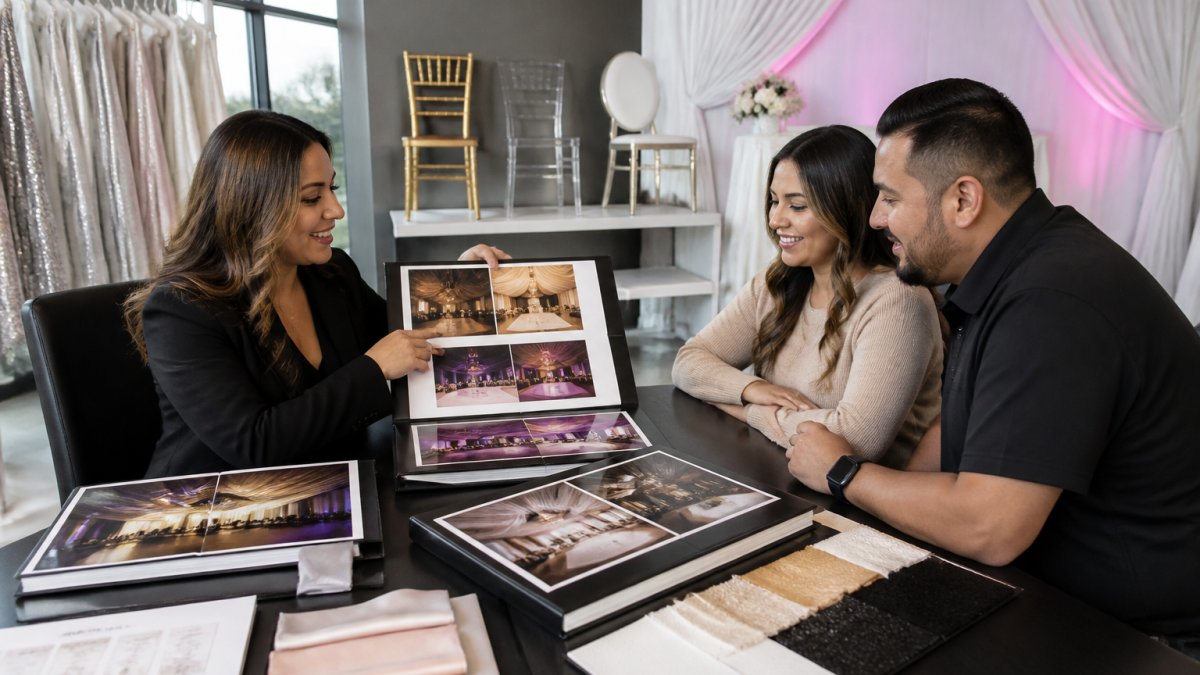
Ask about their project management process. Do they use a formal system to track timelines, decisions, and deliverables? Do they provide regular written updates?
Assess their depth of expertise in your specific event type. A vendor experienced with weddings may not understand corporate event logistics. A vendor skilled at intimate celebrations may lack experience managing large-scale productions. Fit matters more than general reputation.
Ask about their team. Will the same person who sold you the project manage it? Will they be on-site during setup? Turnover between sales and execution creates continuity problems.
Finally, evaluate their problem-solving approach. Events always encounter surprises. A vendor who panics or blames others creates chaos. A vendor who stays calm, thinks creatively, and takes ownership builds confidence.
Choosing the right event planning vendor determines whether your celebration runs smoothly or becomes a source of stress.
When you're ready to transform your venue with professional draping, custom lighting, elegant dance floors, and quality rentals, contact XL Entertainment Systems for a free, personalized quote.
Frequently Asked Questions
What questions should you ask an event planning vendor before hiring?
Ask about their experience with events similar to yours, how they handle unexpected problems on the day of the event, what services are included versus outsourced to other vendors, their communication style and availability, and whether they can provide references from recent clients. Request to see portfolio examples of spaces they've transformed and ask how they stay within budget constraints. Understanding their approach to timeline management helps you assess whether they're the right fit for your specific needs.
What should be included in an event planning proposal checklist?
A complete proposal should detail all services provided, delivery and setup timelines, teardown and removal schedules, a comprehensive list of included items (draping, lighting, furniture, decor), installation details, payment terms and schedule, cancellation policies, and insurance coverage. Verify that every service mentioned in conversations is listed in writing. Check whether the proposal specifies who handles transportation and day-of problem-solving related to their services. Compare proposals side by side to spot gaps and ensure you're not missing critical services.
What are common corporate event planning examples that show vendor capability?
Look for portfolio examples that match your event type: product launches with custom staging and lighting, galas with full-service draping and ambient design, conferences with stage setups, and private celebrations with venue transformation. Strong examples should show how vendors handled different venue types (ballrooms, industrial spaces, outdoor settings). Ask vendors to walk you through a specific event similar to yours and explain the creative decisions, logistics, and results. Real examples reveal whether they understand your vision and can execute at your scale.
What are event planning best practices when choosing a vendor?
Start by clearly defining your event goals, budget, and must-have services before you reach out to vendors. Request proposals from multiple providers and compare them on scope, experience, communication style, and problem-solving approach rather than price alone. Check references and ask previous clients about reliability, responsiveness, and whether the final result matched expectations. Confirm all details in writing. Choose a vendor who listens, asks thoughtful questions, and prioritizes your satisfaction.